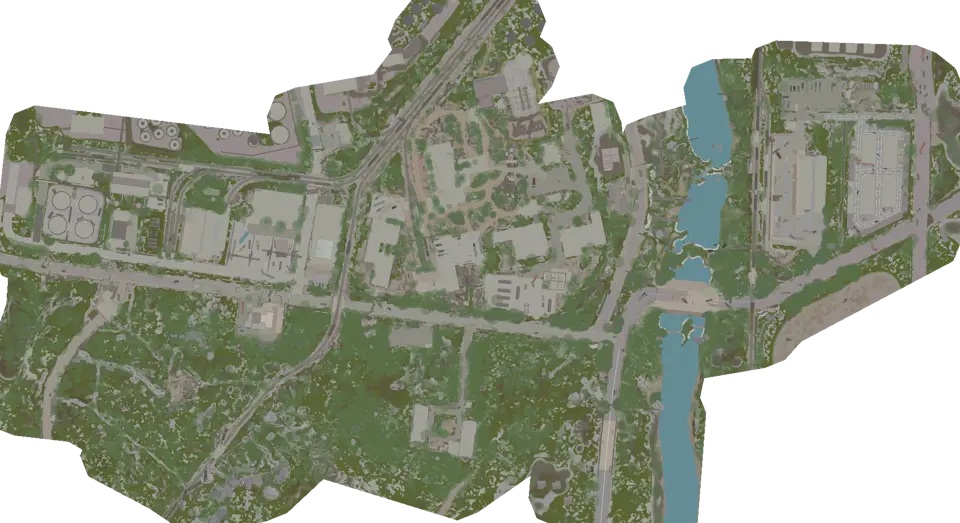
Streets of Tarkov Map: Blocks | Escape from Tarkov
Write each leg between two junctions and include the return direction. Attach indoor targets to a specific facade before leaving the street.
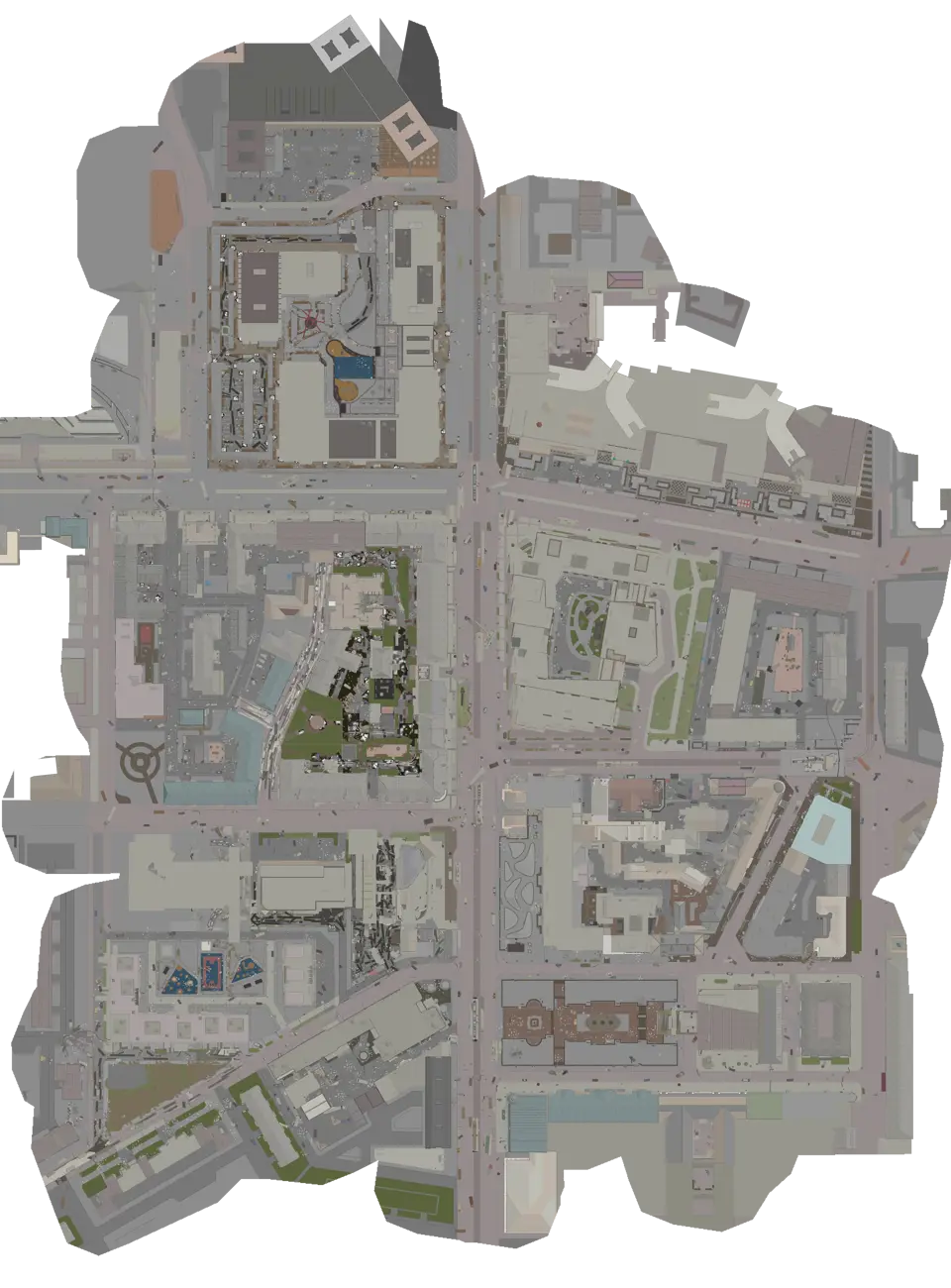
Layers this guide uses


Streets of Tarkov puts 1,708 markers on the Streets and courtyards view. Write routes that still work after you turn around. A note such as “left at the shop” fails from the return direction. A note that names the junction shape, the facade, and the next courtyard can be read both ways.
Build a two-way block instruction
Begin with the assigned extraction markers. Pick the current exit from the in-game list and divide the route into junction-to-junction legs. For every leg, record the feature at both ends.
A usable instruction might describe a corner building at one end and a courtyard entrance at the other. Avoid relying on screen direction or a single sign. If an indoor detour exits through another door, reverse the instruction from the new facade before continuing.
Check the full route after every two legs. A close phone zoom helps with doors, but it can hide that a parallel street has pulled the route away from the extraction.
Attach the target to a facade
Search the objective and inspect the building outline. Use Floor connections to find the documented entrance or courtyard passage. The marker inside the building is not an entrance indicator.
If the destination uses Keyed doors, confirm the threshold and approach side before leaving the street. A door behind a parallel corridor can look adjacent in plan view. Choose the exterior corner that will confirm the return.
After the indoor task, hide the room marker and reopen the two-way block instruction. If the exit door differs from the entrance, begin a new leg from the facade now visible rather than pretending the earlier note still applies.
Keep sniper zones outside the route
Put connectors, extraction markers, and sniper zones together. Sniper zones marks boundary areas to avoid. It should stop a proposed shortcut before you walk toward the edge.
Use an inner street or courtyard as the parallel reference. If you lose the route near a boundary, return to the last confirmed junction. Testing the edge for feedback is not a navigation method.
Label BTR and transit by function
Compare extractions, BTR stops, and transit points. BTR stops, Transit points, and Extraction points are separate categories. Open the selected marker and read its purpose.
If a BTR stop belongs to the plan, give it a street-side approach and a next junction. The map documents the stop location but cannot report its current state. Follow the information shown in the raid for anything live.
A transit point also needs a destination check. Do not substitute it for an assigned extraction because the icons share a boundary area. Once the route type is decided, hide the other categories to reduce clutter.
Recover from the wrong block
Stop adding new turns. Find the nearest junction with a distinctive shape and one facade that can be matched on the map. Use those two references to identify the block, then read the next two-way instruction from that point.
Do not route directly to the final extraction from an uncertain position. Parallel streets and closed building outlines can preserve the wrong general direction for several blocks. Recover the local block first.
For the final approach, inspect the last connector or corner before the marker. A nearby icon on another street does not guarantee a passage between them.
Questions about Streets of Tarkov
What makes a block instruction work both ways?
It identifies a feature at each end and the passage between them. Junction shapes, facades, and courtyards remain useful after turning around; “left” and “right” do not.
Is a BTR stop the same as an extraction?
No. Read the category and details of the selected marker, then check live information in the raid. Keep BTR, transit, and extraction points separate in the route.
Maps in this guide
More Escape from Tarkov guides
All Extraction Points and Exits | Escape from Tarkov Map
The raid list decides which exits matter. Match those names to the map, read each marker, and choose a fallback before moving toward the final sector.Read the guidePMC Starts, Boss Areas and AI Zones | Escape from Tarkov Map
Read spawn layers before the first route choice, then clear them. Reopen boss or AI areas only when planning a specific approach on the correct floor.Read the guideKeys, Locked Doors and Map Controls | Escape from Tarkov
Search the exact door before routing to it. Check the threshold, the return path, and any separate control point without assuming its live state.Read the guideLoot Containers and Loose Loot Routes | Escape from Tarkov
Choose a compact cluster beside the extraction route. Treat containers as known stops and loose-loot markers as possible locations rather than promised items.Read the guideTransit Routes Between Maps | Escape from Tarkov Guide
Treat every transit as a directed leg to a named location, then rebuild the next route under the new map and raid conditions.Read the guide