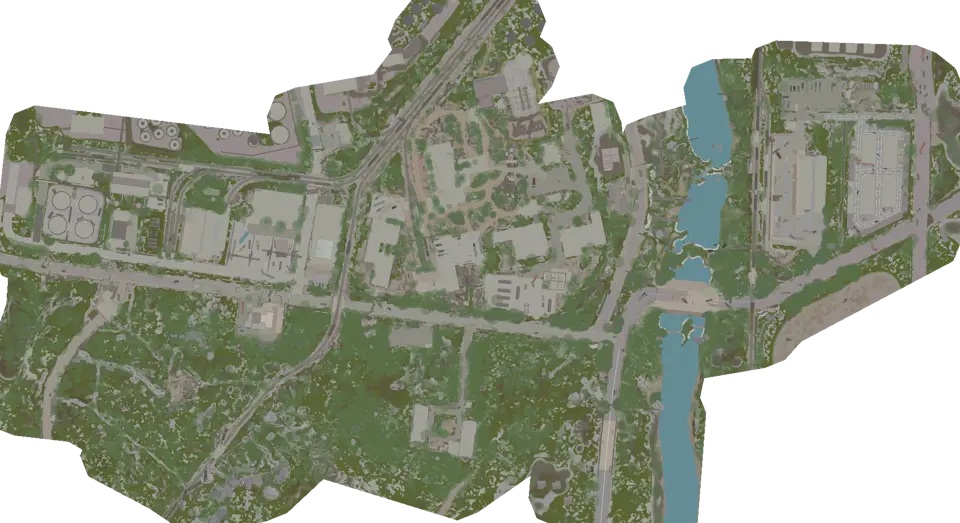
Factory Floors, Tunnels and Exits | Escape from Tarkov Map
Practice one floor change and one extraction at a time. Identify rooms by shape and connector direction before adding keyed doors, loot, or transit.
Layers this guide uses


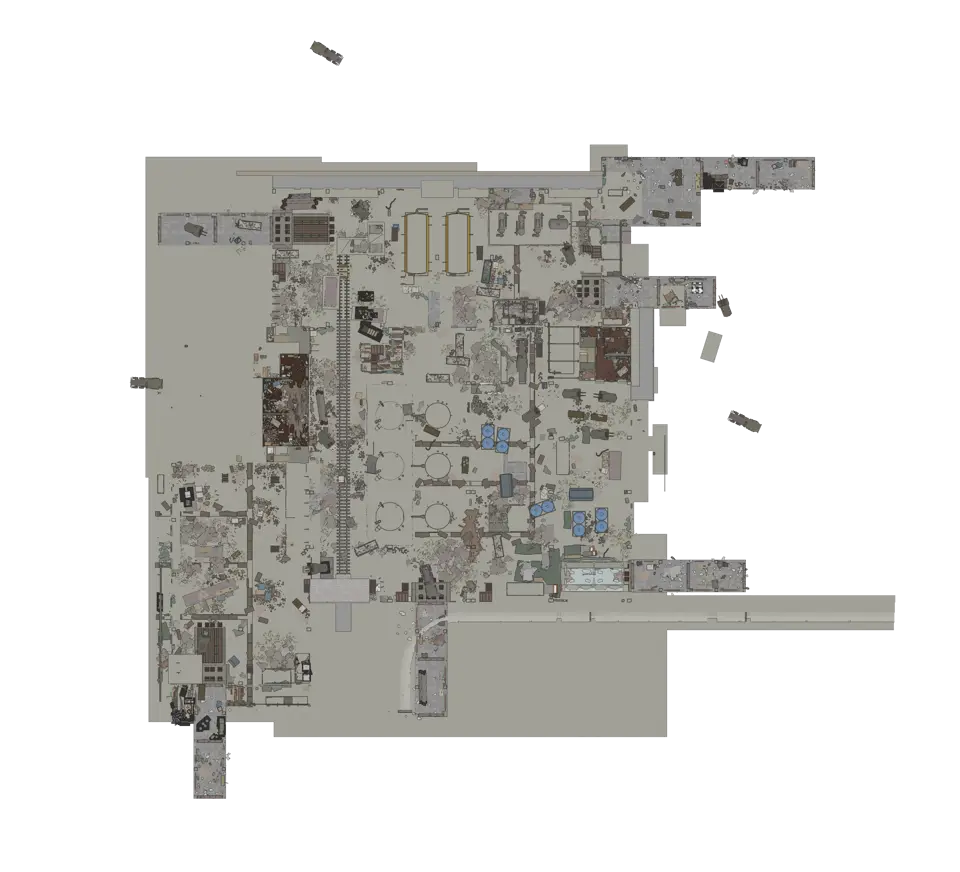
Factory packs 271 mapped features into 4 views. The building feels confusing because similar rooms overlap vertically and every floor change happens quickly. Learn it through short drills rather than trying to memorize every icon. One drill should answer a narrow question, such as how to move from a ground-floor room to a known extraction without losing track of height.
Identify the room before naming the floor
Use room shape first. Look for the number of doorways, the direction of the nearest corridor, and whether stairs or an opening sit inside the room. Two matching details are enough to narrow the position; a single crate or wall panel may occur elsewhere.
Then choose among the four views:
- Ground floor contains the main ground-level rooms and passages;
- Tunnels separates the routes below those rooms;
- Catwalks and upper rooms covers catwalks and upper spaces;
- Office level isolates the office level.
If a marker appears close but the room does not match, check the active view before moving. Vertical overlap is a more likely explanation than an invisible direct route.
Run a two-connector drill
Start with extracts and connectors only. Pick one connector in the current room, follow it to the next floor, and identify the first room after arrival. Then return through the same connection. Repeat with a different pair before attempting a longer route.
This drill teaches both directions. A stairwell that is obvious from below may be difficult to recognize from above. Record the arrival room, not merely “stairs up” or “stairs down.” If the arrival does not match the map, retrace one connection instead of switching views repeatedly while moving.
For a first ground-floor route, keep the view fixed on ground with exits and connections. Add the other floors only after you can return to the starting room.
Attach an assigned exit to the drill
Choose an extraction from the current in-game list and trace its last connector backward. Your short route now has three parts: a known room, one floor change, and the final approach. Select a second assigned exit with a different last connector if one is available.
The map documents extraction locations and fixed details. It does not know which option was assigned to your character or whether a condition has changed during the raid. Check the list before entering the final room.
Add one locked room without hiding the layout
Show keyed doors beside their nearest connectors. Search for the exact door, confirm its floor, and find the route back to the extraction drill. Keyed doors should remain a single stop, not a reason to display every loot marker in the building.
If you want to search nearby containers, turn on Loot containers only after selecting the room. Loose loot marks possible item locations, not guaranteed contents. Remove both layers before the return leg so they do not cover stairs or door outlines on a phone.
Read possible starts once, then clear them
PMC spawns can help explain the first routes that may be available from documented start areas. It does not track players. Use it before the raid or during the first orientation check, then hide it after reaching the first known room.
From that point onward, sounds and visible evidence in the raid matter more than static start markers. Keeping old possibilities on screen can make them look current when they are not.
Decide whether the edge point is transit
Place transit and extraction markers in the same clean view. Read the category and marker details. A point at the edge of the map is not automatically an assigned extraction, and a transit has its own purpose.
Once you know which type the route uses, hide the other. A small map is easier to navigate when the final icon cannot be mistaken for a different operation.
Questions about learning Factory
Which view should I learn first?
Begin with Ground floor and one connector to another view. The useful skill is returning to the same room after a floor change. Add tunnels, offices, and upper routes as separate drills.
Why does a nearby marker seem unreachable?
It may be on another view or behind a wall without a direct opening. Confirm the floor, then follow documented connectors. Screen distance does not include the route through stairs and corridors.
Maps in this guide
More Escape from Tarkov guides
All Extraction Points and Exits | Escape from Tarkov Map
The raid list decides which exits matter. Match those names to the map, read each marker, and choose a fallback before moving toward the final sector.Read the guidePMC Starts, Boss Areas and AI Zones | Escape from Tarkov Map
Read spawn layers before the first route choice, then clear them. Reopen boss or AI areas only when planning a specific approach on the correct floor.Read the guideKeys, Locked Doors and Map Controls | Escape from Tarkov
Search the exact door before routing to it. Check the threshold, the return path, and any separate control point without assuming its live state.Read the guideLoot Containers and Loose Loot Routes | Escape from Tarkov
Choose a compact cluster beside the extraction route. Treat containers as known stops and loose-loot markers as possible locations rather than promised items.Read the guideTransit Routes Between Maps | Escape from Tarkov Guide
Treat every transit as a directed leg to a named location, then rebuild the next route under the new map and raid conditions.Read the guide