Best First Map to Learn | Escape from Tarkov Beginner Guide
Start with Ground Zero, Customs or Woods according to your learning goal, reduce the layers, and repeat a short extraction loop before adding loot.
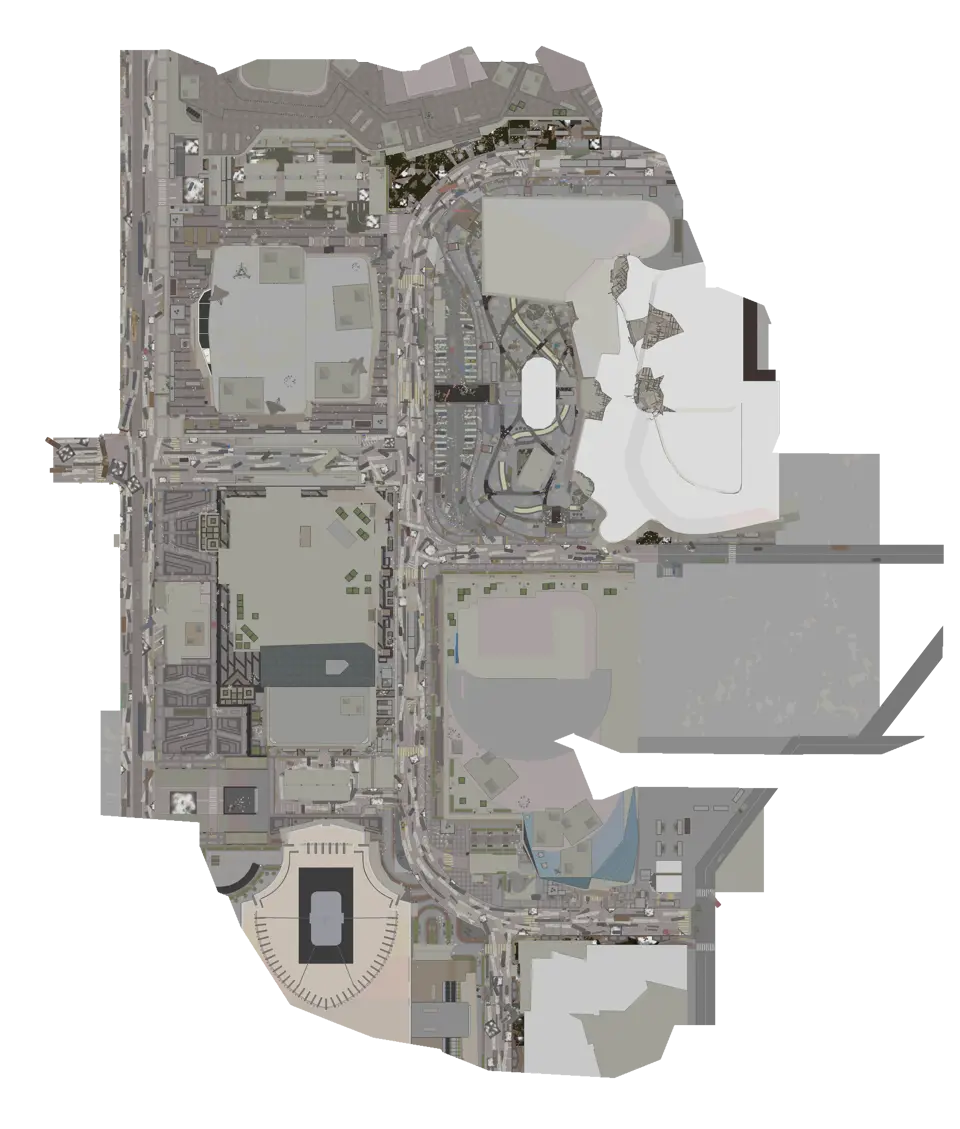
There is no single easiest Escape from Tarkov map for every new player. The right first map depends on the skill you need to practise: compact urban orientation, longer landmark-to-landmark travel, open-ground navigation, floor changes, or extraction conditions. The useful choice is the map where you can repeat one short route and explain why each turn is there.
Open the beginner layers on Ground Zero and begin with only extracts, possible PMC starts, and mapped boundary hazards. Loot, keyed rooms, controls, and secondary objectives can wait until you can identify your start side and leave through an exit assigned in the current raid.
Choose Ground Zero for compact urban orientation
Ground Zero is a practical first choice when you want a smaller urban problem with interior views. Its 4 map views make floor switching part of the lesson without requiring you to learn every large location at once. Streets, entrances, lower areas, and upper interiors can appear close on screen while needing a real stair or passage.
The views are Surface, Accessible interiors, Lower level, Accessible interiors, Main level, and Accessible interiors, Upper level. Use their official names when comparing a selected marker with the floor switcher.
Use Ground Zero to practise three habits: matching the current floor, identifying one exterior landmark before entering, and comparing the full extraction name with the list in game. Do not try to memorize every room. Pick one side of the Surface, one interior connection, and one extraction approach. Repeat that loop until the change between outside and inside no longer breaks your orientation.
Ground Zero is not automatically safe. Possible spawn markers do not reveal live players, and compact routes can create early contact. Their value is to show where pressure could begin so that you avoid standing still while reading the map.
Choose Customs for a longer, structured route
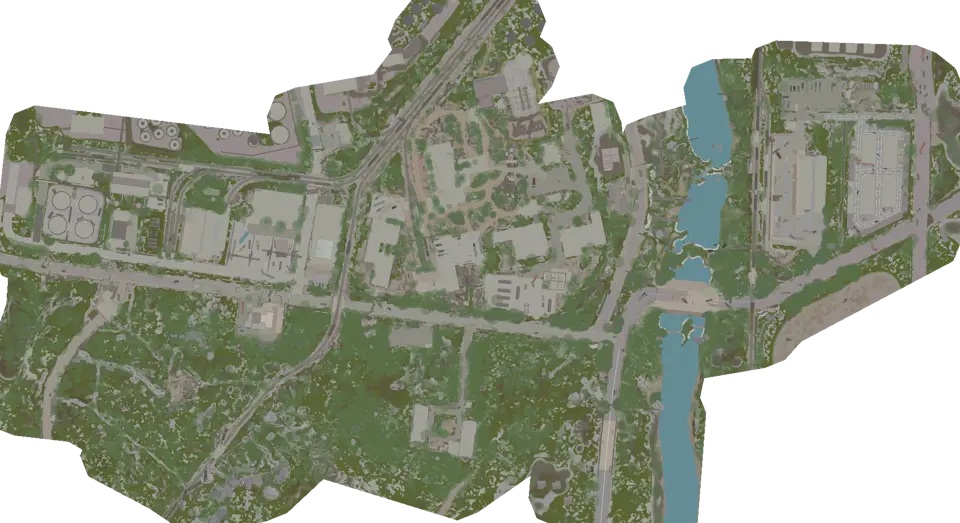
Customs works well when you are ready to navigate between large Surface landmarks while also learning that some buildings have separate floors. Roads, walls, crossings, industrial areas, and the Dorms interiors create a route with recognizable sections. It is a useful bridge between compact learning and larger maps.
Open Customs with the same beginner filters. Choose two large landmarks and one extraction direction. Your first goal is not to visit the whole map. Learn how to move from the starting side to the first landmark, cross one major passage, and recognize the final approach to an assigned exit.
Add Dorms only when it is part of a task or the skill you want to learn. The floors, entrances, and confined corridors are a separate problem. Mixing them into every first route makes it harder to diagnose whether you lost the Surface direction or the building layout.
Choose Woods for outdoor navigation
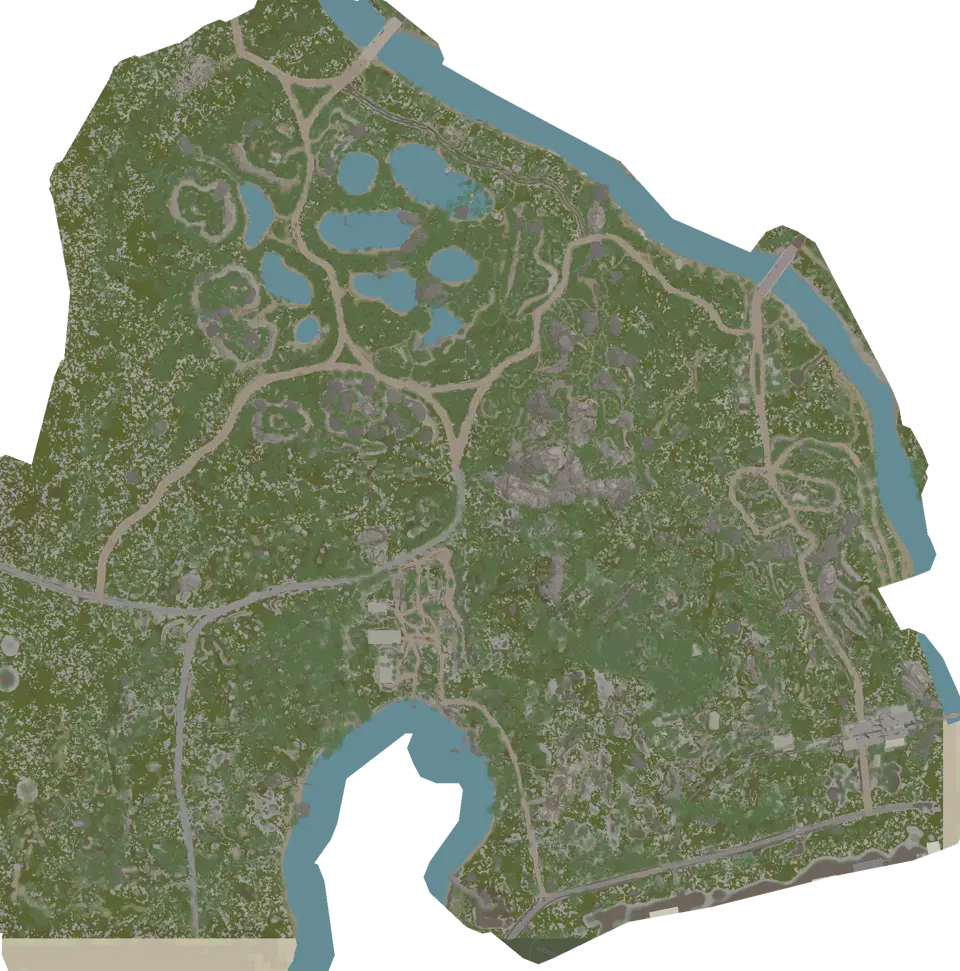
Woods is the better training map when your main weakness is reading terrain without continuous streets and rooms. It uses a broad Surface view where tree lines, roads, water, structures, open ground, Minefields, and Sniper zones matter more than room numbers. It teaches you to confirm direction from multiple large landmarks rather than one nearby door.
Open Woods with extracts and boundary hazards. Select a short segment between two unmistakable landmarks and a currently assigned extraction. Keep minefield and sniper-zone markers visible near boundaries. Do not use a single tree, rock, or small object as your only reference; approach angle can make it look different.
If you become uncertain, return to the last large feature you can prove rather than continuing through open ground on a guess. Learning to stop and re-establish position is part of the map skill.
Delay high-complexity choices until they teach a specific skill
Factory is compact, but short sightlines, multiple levels, and closely spaced possible starts can make the opening demanding. Interchange introduces the mall, garage, exterior, controls, and repeated interior shapes. Shoreline combines broad outdoor travel with a dense multi-floor resort. Reserve, Lighthouse, Streets of Tarkov, and The Lab add their own vertical, access, boundary, control, or marker-density challenges.
Terminal, Icebreaker, and The Labyrinth have compact or unusual structures. They may be worth learning for a task or destination, but their specialized layouts do not replace the basic habit of matching a spawn side to a valid exit. Pick them when that location itself is your next goal, not because “small” must mean easy.
There are 13 maps to learn, but a beginner does not benefit from treating all of them as one syllabus. Move to another location when you can state what new skill it will add.
Build one repeatable extraction loop
Use this routine on whichever map you choose:
- read the location and character context in game;
- open Extraction points and match the full assigned names;
- show mapped Minefields, Sniper zones, and possible PMC starts;
- identify the broad side or view where you began;
- choose one large intermediate landmark;
- select one assigned extraction and a backup direction;
- hide every layer that does not answer the route question;
- repeat the same basic loop before adding a new objective.
The route should be short enough to describe from memory. “From this start side to this landmark, through this safe connection, then toward this named exit” is more useful than a line passing every interesting symbol.
Treat possible starts as opening risk, not live tracking
PMC spawn markers show possible starts. They do not say that a player is currently standing there, how that player will move, or whether your exact spawn was chosen. Use nearby possibilities to understand why an early road, doorway, or crossing may be contested. Then make decisions from sound, sight, and game state.
At the beginning of the raid, do not spend a long time zoomed out. Identify your side with two fixed features, pick the first movement direction, and leave exposed areas. If the features do not match the selected map view, stop and correct the view instead of forcing the planned route.
Learn exits before optimizing loot
Fixed containers can become helpful landmarks later, and loose-loot markers describe possible pools. Neither should choose your first map. A route advertised as valuable is useless for learning if you cannot identify its floor, access requirement, hazard boundary, or usable extraction.
After you can repeat the basic loop, add one small container group near the route. In a later raid, add one keyed door, floor connection, task objective, or control. Change one variable at a time so a failed run tells you what still needs practice.
Use failure as a map diagnosis
After a failed raid, name the first point where the route stopped making sense. Did you misidentify the start side, select an extraction not assigned to you, cross a hazard boundary, confuse floors, miss an access requirement, or stay too long? The answer determines the next practice run.
Repeat the same map when the problem was execution of a route you almost understood. Switch maps when you can already complete the loop and want to train a different skill. Constantly changing locations after every death prevents recognizable landmarks and exit approaches from becoming memory.
A simple progression
For urban orientation, begin with one Ground Zero Surface-to-interior loop, then use Customs for a longer crossing. For outdoor navigation, practise a short Woods segment and only lengthen it after reliable exits. Add Factory when you specifically want close multi-level movement; add a denser or more complex location when tasks or your next learning goal require it.
This is not a universal order. Current game access, mode, progression, and raid rules remain authoritative. Review any available location before queuing, but remember that studying its routes does not unlock it inside the game.
Beginner-map questions
Is Ground Zero always the easiest map?
No. It is a useful compact choice for urban views, but close starts and interior transitions can still be difficult. Choose it when those are the skills you need.
Should I use Customs or Woods next?
Choose Customs for structured landmark crossings and building transitions. Choose Woods when you need to practise open-ground direction and boundary awareness.
Should I switch after one failed raid?
Not automatically. Diagnose the first failed step and repeat a short loop until you can identify start, landmark, and assigned exit. Switch when you want a new skill, not merely a new result.
Which layers should a beginner keep visible?
Start with assigned extraction locations, mapped hazards, and possible PMC starts. Add one objective category only after the basic route is readable.
Maps in this guide
More Escape from Tarkov guides
All Extraction Points and Exits | Escape from Tarkov Map
The raid list decides which exits matter. Match those names to the map, read each marker, and choose a fallback before moving toward the final sector.Read the guidePMC Starts, Boss Areas and AI Zones | Escape from Tarkov Map
Read spawn layers before the first route choice, then clear them. Reopen boss or AI areas only when planning a specific approach on the correct floor.Read the guideKeys, Locked Doors and Map Controls | Escape from Tarkov
Search the exact door before routing to it. Check the threshold, the return path, and any separate control point without assuming its live state.Read the guideLoot Containers and Loose Loot Routes | Escape from Tarkov
Choose a compact cluster beside the extraction route. Treat containers as known stops and loose-loot markers as possible locations rather than promised items.Read the guideTransit Routes Between Maps | Escape from Tarkov Guide
Treat every transit as a directed leg to a named location, then rebuild the next route under the new map and raid conditions.Read the guide